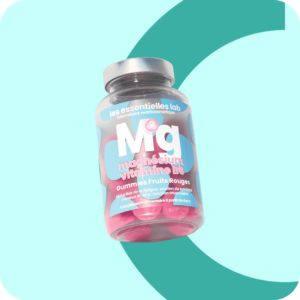
Food supplements: a
concentrated source of collagen
Where is collagen found in nature?
Collagen, although widely present in the human body, is not a substance that can be found in raw form in
nature, but rather in the form of precursors which, once ingested or absorbed, will be used by the body to produce this
essential protein. If you want to increase your collagen intake, it is therefore important to know where this protein comes from
and how to incorporate it into your diet or your routine.
Collagen in animal sources: a protein reservoir
Collagen is abundant in the connective tissues of animals, notably in the skin, tendons, ligaments and cartilage.
This is why animal-based products are prime sources of collagen. Among the foods richest in
collagen, there are several options that directly supply this precious protein to our body.
Bone broth is one of the oldest and most popular ways to obtain collagen. By preparing a broth from the bones of
meat, such as beef, chicken or fish, the slow cooking process releases the collagen contained in the bones. This
collagen then turns into gelatin, a substance particularly rich in essential amino acids, such as proline and
glycine, which are crucial for the body's synthesis of collagen. By consuming this broth, you directly supply
bioavailable collagen to your body.
Animal skins and cartilage, such as poultry skin (chicken, duck) or the cartilage of fish and other animals, are
also natural sources of collagen. These parts of animals, often overlooked, are in fact concentrates of
collagen, and eating them helps enrich the body with this essential protein.
Marine collagen, extracted notably from the skin and scales of fish, is another highly sought-after source of collagen. It is
recognized for its superior bioavailability, which means it is more easily absorbed and used by the human body than other
forms of collagen. This makes it possible to maximize the benefits of marine collagen, particularly for the health of the skin,
joints and connective tissues.
In summary, the richest and most effective sources of collagen come from animal-based products, notably
bone broth, animal skins and cartilage, as well as marine collagen extracted from fish. These foods not only
supply collagen to your diet, but also promote the production and regeneration of collagen in
the body.
Plant collagen and natural alternatives
It is essential to understand that collagen is not a protein exclusive to animal organisms. Indeed, plants do not
contain pure collagen. However, some plants can play a crucial role in stimulating the production of
collagen thanks to their richness in specific nutrients that promote collagen synthesis in the body.
• Vitamin C, for example, is indispensable for collagen formation. It plays a key role in collagen synthesis and is
found in large amounts in foods such as citrus fruits (oranges, lemons), bell peppers, strawberries and kiwi. By
consuming these fruits and vegetables, you can support collagen production and thus help maintain the firmness and
elasticity of the skin, while preserving joint health.
• Antioxidants, such as flavonoids, present in many fruits, vegetables and spices (for example, turmeric and
ginger), also play a crucial role. They help protect the collagen already present in the body from premature
degradation, which makes it possible to maintain the beneficial effects of collagen for longer. By protecting collagen, these
antioxidants contribute to preserving the youthfulness of the skin and the health of the joints.
• Although it is not a form of collagen, hyaluronic acid is another molecule fundamental to the hydration of the
skin and the elasticity of the joints. Hyaluronic acid can be found in foods such as soy, leafy
green vegetables and the roots of certain plants, and it supports the function of collagen by promoting well-hydrated skin and
flexible joints.
In summary, although plants do not contain pure collagen, they offer many nutrients that stimulate the production
of collagen and protect existing collagen. Thanks to elements such as vitamin C, antioxidants and hyaluronic acid, it
is possible to encourage the body to produce more collagen, while preserving the health and structure of the connective tissues, of the
skin and joints.
Food supplements: a concentrated source of collagen
Food supplements based on hydrolyzed collagen can be a particularly effective alternative to support
the collagen intake in the body. Hydrolyzed collagen, a form of collagen pre-digested into small peptides, allows
optimal absorption, which facilitates its assimilation by the body. This form of collagen is not only easier to digest, but
it is also used more quickly by the tissues, thus making it possible to maximize the benefits of collagen on the skin, the
joints and the other connective tissues.
Among the most popular sources of hydrolyzed collagen, marine collagen, in particular Cartidyss® collagen, stands out for
its high bioavailability. This marine collagen is extracted mainly from the skin and scales of fish, and it is recognized for its
superior ability to be absorbed and used by the body. Indeed, marine collagen is particularly effective because it is made up
of small collagen peptides, which easily penetrate the cells of the human body. This high bioavailability
means that Cartidyss® collagen can quickly reach the areas where it is most needed, such as the joints, the skin, and
the ligaments, thus offering rapid and lasting effects.
Marine collagen, because of its structure and properties, is particularly beneficial for improving skin health. It
helps stimulate collagen production in the skin, thus increasing its elasticity, firmness and hydration. In addition, it
contributes to reducing the appearance of wrinkles and to strengthening skin tissues. For the joints, marine collagen, notably
Cartidyss® collagen, helps maintain the suppleness of cartilage, reduce joint pain and promote the regeneration of
damaged joint tissues. This collagen is also used to support the health of tendons and ligaments, by providing them with the
elements needed for their repair and strengthening.
In summary, hydrolyzed collagen supplements, in particular marine collagen such as Cartidyss® collagen, represent an
effective alternative to meet the body's collagen needs. Thanks to their high bioavailability, these supplements allow
rapid absorption and optimal use by the body, thus maximizing the beneficial effects of collagen on the skin, the
joints, and all the connective tissues. Incorporating a marine collagen supplement into your daily routine is therefore
an excellent way to support and maintain the health of your body while promoting the natural production of collagen.
Sarra. BY